Penn State has entered a memorandum of understanding (MOU) with the Colorado School of Mines to establish a collaboration designed to be responsive in supporting the United States’ need for critical minerals.
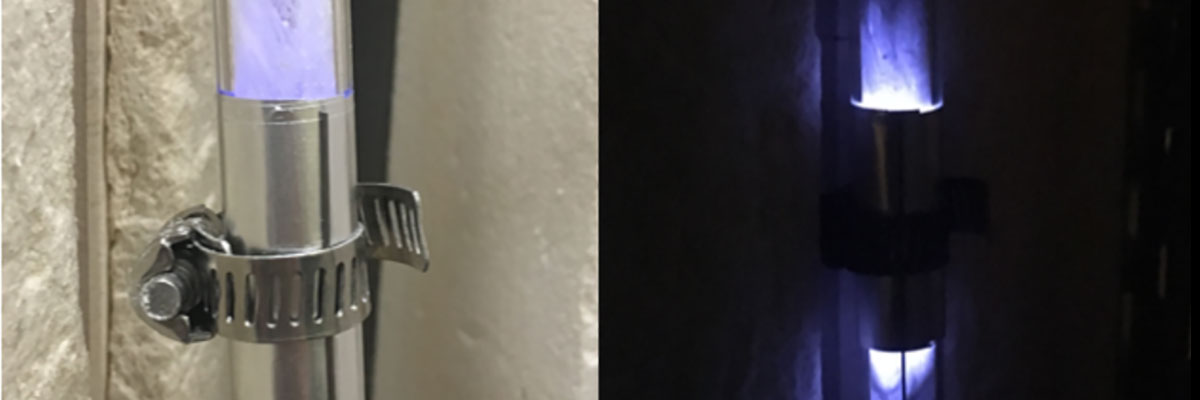
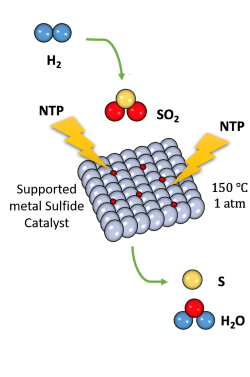
A single-step, plasma-enhanced catalytic process to convert sulfur dioxide to pure sulfur from tail gas streams may provide a promising, more environmentally-friendly alternative to current multistage thermal, catalytic and absorptive processes, according to scientists at Penn State.
Mohammad Rezaee, assistant professor of mining engineering in the John and Willie Leone Family Department of Energy and Mineral Engineering, has been awarded the Outstanding Young Engineer Award from the Society for Mining, Metallurgy & Exploration’s (SME) Mineral and Metallurgical Processing Division.
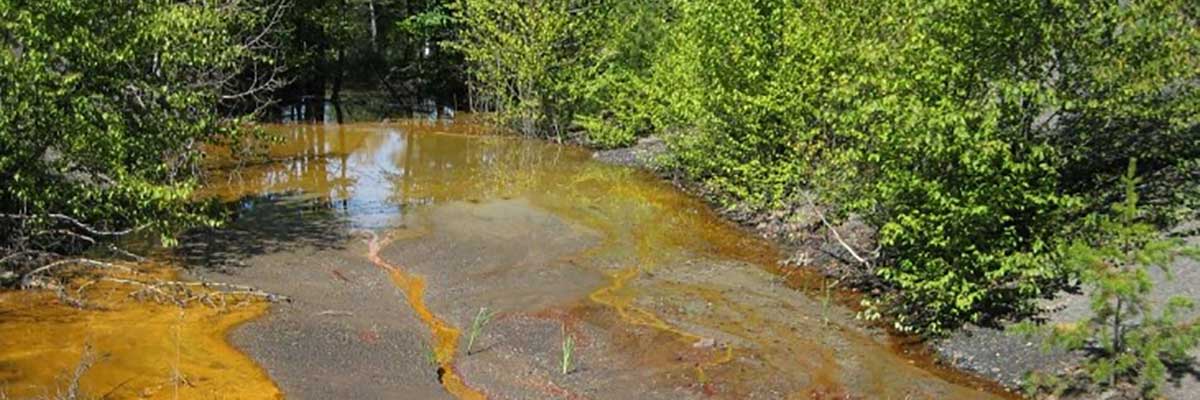
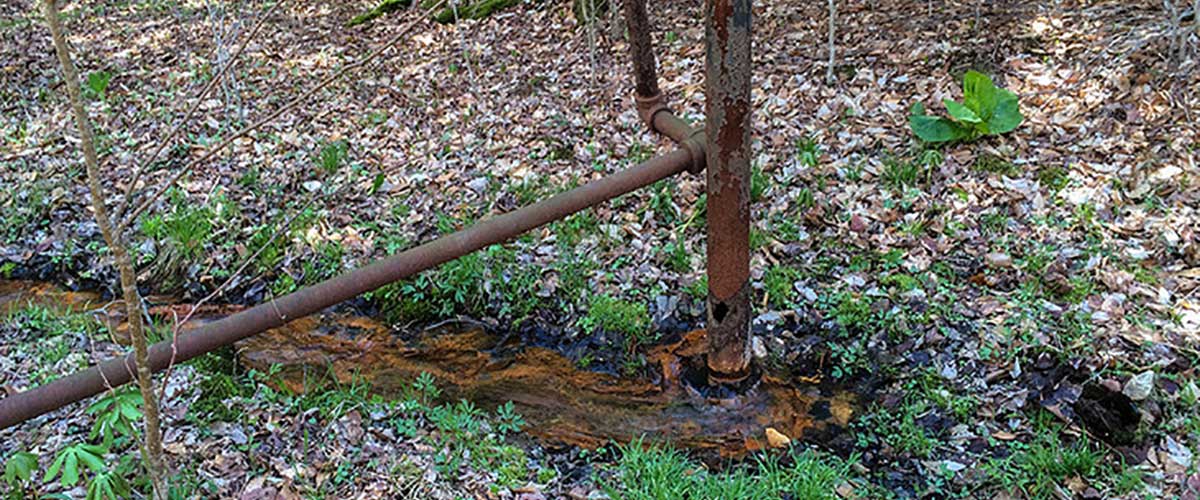
A new way to treat acid mine drainage (AMD) could help transform the environmental pollution problem into an important domestic source of the critical rare earth elements needed to produce technology ranging from smart phones to fighter jets, according to Penn State scientists.
A team of Penn State researchers is part of the first round of winners for the Department of Energy’s (DOE) Grid Optimization (GO) Competition. Presented by the DOE’s Advanced Research Projects Agency-Energy (ARPA‑E), the selective competition presents challenges for the development of optimization algorithms for a crucial set of operational problems faced by the United States’ power grid.

Image: Penn State
Michael Cronin, graduate student in the John and Willie Leone Family Department of Energy and Mineral Engineering; Russell Johns, George E. Trimble Chair in Earth and Mineral Sciences and professor of petroleum and natural gas engineering; and Hamid Emami-Meybodi, assistant professor of petroleum and natural gas engineering, recently published results of their Enhanced Oil Recovery JIP in the Society of Petroleum Engineers Journal. Oil companies are missing out on vast sums of recoverable oil in unconventional reservoirs, according to the study. The researchers propose that companies are applying tried-and-true transport mechanisms for conventional oil extraction but are hitting recovery stumbling blocks because they are not accounting for the difference in physics found at unconventional reservoirs. The Enhanced Oil Recovery Joint Industry Project in the EMS Energy Institute funded this research.
Chris Marone, professor of geosciences, was selected to receive the European Geosciences Union’s 2019 Louis Néel Medal. The medal is awarded to individuals in recognition of outstanding achievements in rock magnetism, rock physics, and geomaterials. Marone was selected for his “seminal contributions to the understanding of fault mechanics and earthquake generating processes and for innovation in experimental techniques and apparatus development.” He was also recognized for his role in relating laboratory research to earthquake seismology and in integrating fault mechanics into earthquake physics as a whole.

Image: Penn State
Chris Marone, professor of geosciences, along with a team of researchers from Penn State and Los Alamos National Laboratory, was able to predict the magnitude, time, and duration of earthquakes in a laboratory setting. This research improves our understanding of earthquakes and could eventually lead to prediction measures in real-life scenarios. The results were published in a recent issue of Nature Geosciences. The U.S. Department of Energy and the National Science Foundation supported this research.

Image: Patricia Craig
Amin Mehrabian, assistant professor of petroleum and natural gas engineering, was recently awarded a $110,000 grant from the American Chemical Society’s Petroleum Research Fund to study subsurface stress in hydrocarbon reservoirs. This fundamental research could potentially help better plan wells, drill less-costly wells, produce more efficiently from wells, and maintain overall well integrity during the production life of the wells.

Image: NASA
Chiara Lo Prete, assistant professor of energy economics, was awarded a $250,000 grant for early career researchers from the Alfred P. Sloan Foundation to examine the effectiveness of energy market structures in aggregating private information on wind production forecasts to better coordinate commitment and production decisions in electric systems. Uday V. Shanbhag, the Gary and Sheila Bello Chair and professor of industrial engineering, and Anthony Kwasnica, professor of risk management, are also working on the project.

Image: © iStock Images / Yelantsevv
Chiara Lo Prete, assistant professor of energy economics, was awarded a $750,000 grant from the National Science Foundation to study economic mechanisms for grid resilience against extreme events and natural gas disruptions. The three-year award is part of NSF's Critical Resilient Interdependent Infrastructure Systems and Processes program, which supports integrated research by interdisciplinary teams of engineers and social scientists to enhance resilience of critical infrastructures. As the U.S. share of electricity generated from natural gas continues to increase, power systems and gas networks are becoming increasingly intertwined. This research will quantify the need for resilience in an electrical system that heavily relies on natural gas as fuel and examine the economic mechanisms needed to incentivize efficient resilience investments.

Image: © iStock Images / Metamorworks
Chiara Lo Prete, assistant professor of energy economics; Uday V. Shanbhag, the Gary and Sheila Bello Chair and professor of industrial engineering; and Mort Webster, professor of energy and mineral engineering, were one of only ten university teams chosen for the U.S. Department of Energy (DOE)’s Grid Optimization Competition. Announced by the DOE Advanced Research Projects Agency-Energy program, the competition challenges researchers from universities and national laboratories to solve the fundamental issues facing the electricity infrastructure, while addressing the concerns that widespread renewable energy sources will introduce in the future. The team also includes Hosam Fathy, the Bryant Early Career Professor of Mechanical Engineering, Nilanjan Ray Chaudhuri, assistant professor of electrical engineering and computer science; and Minghui Zhu, assistant professor of electrical engineering.
Chunshan Song, Distinguished Professor of Fuel Science in the John and Willie Leone Family Department of Energy and Mineral Engineering and director of the EMS Energy Institute, was awarded the Distinguished Alumni of the Year Award in the category of alumni achievement on June 16, 2019 at the Seventieth Anniversary Celebration at Dalian University of Technology in Dalian, China. Song was one of ten recipients, honored for his research achievements in energy, fuels, catalysis, and carbon dioxide.
By Ashley Nottingham

Society of Petroleum Engineers (SPE) President, Sami Alnuaim, presents Penn State researchers Michael Cronin, Hamid Emami-Meybodi and Russ Johns with Cedric K. Feguson Medals and Certificate.
Hamid Emami-Meybodi and Michael Cronin were awarded the 2019 Cedric K. Ferguson Medal, and Russell Johns was awarded the 2019 Cedric K. Ferguson Certificate from the Society of Petroleum Engineers (SPE) for the best paper published in 2018 in a SPE journal.
They were presented with the international awards at the SPE Annual Technical Conference and Exhibition held Sept. 30 to Oct. 2 in Calgary, Canada. The SPE Cedric K. Ferguson Medal honors professional achievement in petroleum engineering. Medals are awarded for the best paper to authors younger than 36 years old and certificates are awarded to co-authors older than 36.
Cronin, a graduate student in the John and Willie Leone Family Department of Energy and Mineral Engineering (EME), Emami-Meybodi, assistant professor of petroleum and natural gas engineering, and Russell Johns, professor of petroleum and natural gas engineering, were selected for their paper titled Diffusion-Dominate Proxy Model for Solvent Injection in Ultratight Oil Reservoirs.
“Our work examines the transport of condensed fluids in shales from a new perspective, one that does not rely on conventional advective frameworks but rather on diffusion,” said Emami-Meybodi. “This is important because our approach honors the true physics, with diffusion coefficients that are self-consistent and naturally entrain the influencing variables like pressure, temperature and concentration. This award represents a much welcome validation of our work and emboldens us to continue our efforts.”
Cronin joined the EME department as a doctoral student in fall 2016 and hopes this research will inform reservoir decisions.
“I hope that our research guides reservoir development decisions and provides a stepping-stone towards future research. I am thrilled beyond measure and humbled to have been recognized for this award,” said Cronin.
According to the researchers, including the physics of diffusion improved recovery efficiency.
“Oil and gas shale reservoirs are very important to the welfare of the United States,” said Johns. “Diffusion likely explains why injection of a solvent, such as carbon dioxide, could increase recoveries significantly from the very low recoveries currently observed in oil shale reservoirs—around 5% of oil in place. Through a better understanding of physics, we may be able to improve the recovery efficiency for each well, reducing environmental impact. It’s really good to have this research be recognized.”
Cronin earned a master’s degree in geological sciences from the University of Texas at Austin and dual bachelor’s degrees in petroleum and natural gas engineering and geosciences with honors from Penn State. Before starting his doctoral degree, Cronin worked as a geologist/reservoir modeler in Anadarko’s reservoir technology group. He is the current deputy managing editor of The Way Ahead, an SPE publication for young professionals.
Emami-Meybodi joined EME in 2015 following ten years in academia at the University of Calgary, Canada, and the Petroleum University of Technology, Iran. His research has been centered on the study of fluid flow and transport phenomena in porous media, spanning both applied and fundamental aspects. Emami-Meybodi has authored and co-authored more than 30 technical publications. He is the current faculty adviser for the SPE Student Chapter at Penn State. He is also the recipient of 2018 SPE Regional Reservoir Description and Dynamics Award.
Johns is a former recipient of the Cedric K. Ferguson medal in 1994. He is also a recipient of 2016 Reservoir Description and Dynamics Award from SPE International. Johns is the current George E. Trimble Chair in Energy and Mineral Sciences and the Energi Simulation Chair in Fluid Behavior and Rock Interactions. He is also the director of the Enhanced Oil Recovery Join Industry Project (EOR-JIP).
Tieyuan Zhu, professor of geophysics, and Chris Marone, professor of geosciences, as well as researchers from Lawrence Berkley National Laboratory, are using previously ignored seismic waves to pinpoint and track carbon dioxide gas clouds in an effort to better keep track of the plume when pumping it into the ground to remove it from the atmosphere. The DOE's National Energy Technology Laboratory supported this work.
The Enhanced Oil Recovery (EOR) Industrial Affiliates Program (IAP) held its fourteenth annual workshop on Friday, November 22, at Penn State University Park, including a dinner on Thursday, November 21.
The EOR IAP focused on research topics in gas flooding, chemically-tuned water flooding, and alkali-surfactant-polymer (ASP) flooding, along with various hybrid techniques. The program currently funds research projects that use analytical, experimental, and numerical methods supervised by five Penn State faculty members.
Some notable accomplishments of the EOR IAP include developing the first multiple contact mixing cell algorithm to calculate the minimum miscibility pressure (MMP) for combined condensing/vaporizing drives; developing the first surface complexation reaction equations for wettability alteration in low salinity waterflooding; publishing the first equation-of-state for microemulsions; developing a novel coupled equation-of-state approach for relative permeability and capillary pressure that makes compositional simulation truly compositional, more robust, more accurate, and faster computationally; developing a new transport mechanism based on diffusion as the primary unifying mechanism of oil and gas production in shales; and developing generalized Riemann solutions that show how to transform MMP calculations and compositional path for gas flood displacement to tie-line space.
First Annual Webinar Short Course on Modeling Aqueous Systems will take place June 22–26The First Annual Webinar Short Course on Modeling Aqueous Systems: Fundamentals and Modeling Techniques with OLI Studios will take place June 22–26, 2020, hosted by the Penn State EMS Energy Institute.
This course will cover the fundamentals of modeling aqueous solutions and corrosion processes used within OLI Studio. Lectures and hands-on OLI Studio exercises will be used to demonstrate how complex systems can be modeled. This course is appropriate for those new to OLI Studio, professionals working with this software, and those looking for a refresher course in its underlying theory. Modeling walkthroughs will be presented using OLI’s Stream Analyzer, Corrosion Analyzer, and Studio ScaleChem programs.
Lecture Topics will include:
The course fee is $1,500 and covers all instruction and course notes.
For more information about the short course, contact Derek M. Hall at Hall@psu.edu.
The EMS Energy Institute welcomes the following new members who have joined the Institute since our last publication.
James Adair
Professor
Department of Materials Science and Engineering
Adair is a professor of materials science and engineering, biomedical engineering, and pharmacology. He received his B.S. in chemistry and M.S. and Ph.D. in materials science and engineering, all from the University of Florida. His research focuses on concepts and principles embedded in colloidal and interfacial chemistry with an aim toward nanomedical applications.
Grace Choi
Financial Assistant
EMS Energy Institute
Choi joined the institute in August 2019 as a financial assistant. She moved from California to State College in July 2018. Prior to joining the institute, Choi worked for the Penn State Conference Services and Commons Desk Operations as a staffing assistant. Choi holds a B.S in international business.
Sharon Huang
Associate Professor
Huck Institutes of the Life Sciences
Huang is an associate professor of information sciences and technology. She received her B.Eng. in computer science from Tsinghua University and M.S. and Ph.D. in computer science from Rutgers University. Her research focuses on biomedical image data analysis, computer vision, machine learning, computer graphics and visualization, and data mining.
Athanasios Karamalidis
Assistant Professor
John and Willie Leone Family Department of Energy and Mineral Engineering
Karamalidis is an assistant professor in energy and mineral engineering. He received his B.S. in chemistry from the University of Crete and his Ph.D. in environmental engineering from the Democritus University of Thrace. His research includes energy and the environment; resource recovery; geochemistry of rare earth elements; shale gas operations geochemistry; geochemical phenomena under carbon dioxide sequestration conditions in geologic formations, groundwater, and shallow aquifers; water chemistry; fate and transport of chemicals in water, soil, and sediment; in-situ and ex-situ soil and sediment treatment; hazardous waste site remediation; and geochemical modeling of aquatic systems.
Sean Knecht
Assistant Teaching Professor
School of Engineering Design, Technology, and Professional Programs
Knecht is an assistant teaching professor in the School of Engineering Design, Technology, and Professional Programs. He is the leader of the Low-Temperature Plasma Science and Engineering research group at Penn State that focuses on the fundamental science and applications of atmospheric-pressure and in-liquid plasma sources including plasma-assisted catalysis, materials treatment, water treatment, plasma-assisted ignition and combustion, and biomedical applications. His other areas of interest and expertise include high-speed imaging, spectroscopy, and biomedical optics.
Raju Kumal
Postdoctoral Scholar
John and Willie Leone Family Department of Energy and Mineral Engineering
Kumal received his Ph.D. in physical chemistry from Louisiana State University in 2017, where he studied nanoparticle-based drug-delivery systems using non-linear laser spectroscopy. He worked as a visiting assistant professor at Georgia Southern University before joining Penn State. His current research focuses on synthesis, characterization, and applications of carbon-based nanomaterials such as graphene and conductive carbon black for potential applications in electronics, paints, and batteries. Additionally, his work focuses on the impacts of fuel chemistry on the combustion dynamics and the formation of particulate matter from aircraft engines. Kumal is advised by Randy Vander Wal, professor of energy and mineral engineering, materials science and engineering, and mechanical engineering.
Jennifer Matthews
Communications Specialist
EMS Energy Institute
Matthews joined the institute in July 2019 as a communications specialist. She is a communications professional with more than nine years of diverse writing and editing experience. She also has background in science writing, feature writing, design, photography, multimedia, website development, and marketing. Prior to the institute, she worked in Penn State’s College of Engineering for five years as a communications strategist. Matthews holds a B.A. in print journalism and a B.A. in English literature.
Feifei Shi
Assistant Professor
John and Willie Leone Family Department of Energy and Mineral Engineering
Shi is a Virginia S. and Philip L. Walker Jr. Faculty Fellow and an assistant professor of energy engineering. Shi’s research interests lie broadly at the intersection of surface chemistry, materials science, and mechanical engineering, with an emphasis on integrated energy systems including innovation in conversion, storage, transport, and consumption systems. She holds a B.S. in chemistry from Fudan University, China and a Ph.D. in mechanical engineering from the University of California, Berkeley. Before joining Penn State in August 2019, Shi was a postdoctoral researcher in materials science and engineering at Stanford University.
Hilal Ezgi Toraman
Assistant Professor
John and Willie Leone Family Department of Energy and Mineral Engineering
Toraman is a Virginia S. and Philip L. Walker Jr. Faculty Fellow and an assistant professor of energy engineering and chemical engineering. Prior to joining Penn State, Toraman served as a postdoctoral researcher with the Delaware Energy Institute at the University of Delaware. Toraman’s research is in the field of chemical reaction engineering with a focus on developing new processes, materials, and technologies for efficient and sustainable use of energy resources such as shale gas, biomass, and plastic waste. She received her B.Sc. and M.Sc. in chemical engineering from Middle East Technical University, Turkey and her Ph.D. in chemical engineering from Ghent University, Belgium.
Meng Wang
Assistant Professor
Environmental Systems Engineering
Wang is an assistant professor in environmental systems engineering. Wang received her B.S. in environmental engineering from Zhengzhou University, China, her M.S. in environmental engineering from Xi’an Jiaotong University, China, and her Ph.D. in civil engineering from the University of Massachusetts Amherst. Her research focuses on environmental biotechnology for pollution control, resource recovery, and environmental sustainability. She combines physical-chemical processes with biological processes to improve system stability and resource recovery efficiencies. Her research uses experimental work and mathematical modeling to guide the design and operation of treatment systems. She is interested in developing innovative food-energy-water systems for resource recovery, public health, and food security.
Ming Xiao
Associate Professor
Civil Engineering
Xiao is an associate professor in civil engineering. He holds a B.S. in civil engineering from Shandong University, China, an M.S. in civil engineering from Zhejiang University, China, and an M.S. in computer science, and Ph.D. in civil engineering from Kansas State University. His research interests include performances of civil infrastructures and permafrost coastal erosion and its remediation due to permafrost degradation in the Arctic and their sociodemographic impacts; performances of the built environment and infrastructure under in-service conditions and extreme events; and seepage and erosion.

The images show the nanographene morphology as produced in the microwave plasma. The nanographene appears here in crumpled filamentary form. Higher magnification shows overlapped sheets and curled edges.
Image: H Quest
A multi-disciplinary collaborative relationship, developed between Penn State EMS Energy Institute researchers and a Pittsburgh-based start-up company, may hold the answer to reducing global greenhouse gas (GHG) emissions while also paving the way to disrupt the chemical and material industries.
Since 2015, Randy Vander Wal, professor of energy and mineral engineering and materials science and engineering, and affiliate at the EMS Energy Institute, has been collaborating with H Quest Vanguard on a growing number of projects that use the company’s plasma technology to enable new, non-emissive uses of coal and natural gas.
“The unique capabilities of Penn State’s Material Characterization Laboratory provide invaluable insights into properties of H Quest’s plasma-produced materials and are crucial to establishing a product fit for commercialization,” said George Skoptsov, H Quest CEO.
The collaboration has resulted in five research projects that aim to reinvent coal and natural gas in the twenty-first century as clean, cost-effective sources of fuels and high-performance materials.
While the Earth’s climate has changed throughout history, the current scientific consensus is that the present global warming trend is likely the result of human activity, namely emissions of GHGs due to combustion of fossil fuels.
Switching to cleaner fuels is recognized as a key component in reducing GHG emissions. Hydrogen, in particular, is a promising energy carrier because burning it produces only water and not carbon dioxide. But hydrogen is very rare in its pure molecular form. It is abundant, however, in the form of water (11 percent hydrogen by mass) and methane, a principal component of natural gas (25 percent hydrogen by mass). In fact, according to the U.S. Department of Energy (DOE), presently 95 percent of the hydrogen for fuel in the U.S. is extracted from natural gas.
The most widely used industrial process for hydrogen production—steam-methane reforming—heats methane from natural gas using steam to produce carbon monoxide and hydrogen. Unfortunately, this process has a large GHG emission footprint and consumes large amounts of water.
Thermal methane decomposition heats natural gas to more than 2,000 degrees Fahrenheit, which cracks the hydrocarbon molecules, extracting hydrogen as gas and leaving the solid carbon behind. Introducing catalysts to this process can reduce the required temperature but introduces the problem of separating the solid carbon from the catalyst surfaces. Overall, due to constraints associated with heating, this process remains a costly, energy-intensive, and GHG-emissive process.
H Quest’s microwave plasma technology catalyzes reactions in a novel way and allows very rapid (1,000 degrees Fahrenheit per second) heating of gas, which is not possible with conventional heating technologies such as boilers, furnaces, heat exchangers, or inductive heaters.
Since renewable electricity can power microwaves, and methane decomposition does not use oxygen, extracting hydrogen from natural gas using microwave plasma technology can be completely free of GHG emissions. In addition, microwave plasma technology enables modular, small-scale, low-capital deployment of chemical conversion plants, making the chemical industry more efficient, effective, flexible, and competitive.
In a recently awarded University Coalition for Basic and Applied Fossil Energy Research project, sponsored by the DOE, Vander Wal is looking to develop a deeper understanding of how process conditions within H Quest’s reactor define carbon product parameters.
Vital to this effort are the capabilities of the Material Characterization Laboratory, which has a wide variety of characterization techniques in the areas of microscopy, spectroscopy, surface analysis, and thermo-physical techniques that will help shed light on why different materials show different properties and behaviors.
The project, titled “Optimization of Microwave-Driven, Plasma-Assisted Conversion of Methane to Hydrogen and Graphene,” aims to identify reactor design and process conditions for hydrogen production with the capability to tune carbon product characteristics and evaluate methane conversion, product yields, and selectivity.
The goal is to develop relations between the carbon product form, characteristics, and process parameters. Such relationships will allow selective production of specific carbon forms and the ability to tailor their physical-chemical properties. The researchers hope this will lead to next-generation hydrogen technologies that could enable using stranded domestic energy resources, such as stranded natural gas reserves, while also diversifying hydrogen feedstocks.
If successful, it could also reduce the costs associated with large-scale hydrogen energy products; create market demand, technologies, and infrastructure to enable hydrogen energy deployment; and utilize domestic natural gas for manufacturing energy and synthetic carbon products.
“Microwave processing of natural gas represents decarbonization of a fossil fuel while paving the path toward the hydrogen economy,” Vander Wal said.
It would also create a pathway to cleaner, lower-cost carbon products. Graphene, for example, is a material that is stronger than steel and more conductive than copper.
“Graphene, as an additive to concrete, can increase strength and durability, contributing to infrastructure improvement while sequestering at large scale carbon/graphene production,” Vander Wal said.
Institute researchers and H Quest are also partnering through a National Science Foundation Small Business Technology Transfer Program award to test the company’s material in these roles. They also are investigating applications of microwave plasma to convert coal into carbon products through an award from the DOE’s National Energy Technology Laboratory.
The breadth of the plasma-derived products is immense, from activated carbon to 3-D-printable plastics to industrial carbon electrodes for steel and aluminum smelting, the possibilities are immeasurable, Skoptsov said.
“Coal has been foundational for modern industrial organic chemistry,” he added. “So many synthetic products–—from aspirin to nylon—have been produced from coal, before it became synonymous with electricity generation in the era of cheap oil in the 1950s. This research will unlock the true value of our fossil resources as the source of high-performance materials but will do so in a more sustainable and cost-effective way than has ever been possible.”
In Spring 2019, the EMS Energy Institute announced a new call for seed grant proposals to encourage exploratory and collaborative research with new ideas that will likely advance energy science and technology significantly and potentially lead to new externally funded research projects. The following three areas were considered:
Nine proposals were submitted and were evaluated by a panel of senior faculty members according to the following criteria: concept and rationale; objectives, approach, and expected results; and team qualifications and collaboration. The EMS Energy Institute selected the following four proposals for seed grants in May 2019.

Enhanced gas recovery using cryogenic stimulation.
Title: Mapping Reservoir Rock Composition of Conventional and Unconventional Deposits with Intelligent Imaging
PI and Co-PI: Zuleima Karpyn (College of Earth and Mineral Sciences and the EMS Energy Institute) and Sharon Huang (College of Information Sciences and Technology, and Huck Institutes of the Life Sciences)
Overview: The proposed project aims to advance hydrocarbon production from conventional and unconventional reservoirs by developing novel machine learning and image analysis tools to enable automated, three-dimensional mapping of mineral constituents in reservoir rocks using high-fidelity X-ray microtomography imaging. Results from this work will support improved representation and modeling of rock-fluid interactions affecting the mobility and trapping of oil, brine, and gas in complex geologic systems. This proposal is also intended to stimulate new synergies between research groups in the College of Earth and Mineral Sciences and the College of Information Sciences and Technology and build research capacity at Penn State in the area of image data science, which can be transferrable to many fields interested in constructing material compositional maps.
Title: Exploring Nonaqueous Cryogenic Stimulation and Its Application in Gas Shale Reservoir to Maximize Gas Production and Minimize the Environmental Footprint
PI and Co-PI: Shimin Liu (College of Earth and Mineral Sciences and the EMS Energy Institute) and Ming Xiao (College of Engineering)
Overview: The shale gas revolution has dramatically changed the energy landscape of North America. Despite this enormous success, significant technological challenges remain. To improve the gas production from underperforming wells, the researchers will explore, investigate, and test an innovative cryogenic stimulation technology on shale and quantify its effectiveness on gas production enhancement. The fluid dynamics behaviors of gas within shale is the key for success of this early and exploratory technology. The proposed study presents an atomic-to-pore scale fluid dynamic study of shale gas reservoirs under nonaqueous cryogenic liquid nitrogen and liquid carbon dioxide treatments through a combination of experimental and numerical simulation approach. With a multiscale approach, combining experimental and numerical strategies, the fundamental mechanism of multiscale fluid-shale interactions under cryogenic treatment will be uncovered and its impact on the long-term shale gas production will be quantified.

Schematic diagram of the proposed CO2 capture and conversion process.
Title: Low-Temperature Plasma-Assisted Catalytic Conversion of Carbon Dioxide to Value-added Chemicals and Fuels
PI and Co-PI: Xiaoxing Wang (EMS Energy Institute) and Sean D. Knecht (College of Engineering)
Overview: To mitigate climate change, the reduction of anthropogenic carbon dioxide (CO2) emissions is of paramount importance. Catalytic conversion of CO2 to value-added chemicals and fuels is potentially an attractive and sustainable solution for mitigating CO2 emissions. The researchers seek to develop a new and more efficient process for catalytic CO2 conversion with hydrogen to chemicals and fuels with the assistance of low-temperature plasma. Through the proposed research, the team expects to gain a deep insight on the physical and chemical aspects of CO2 and hydrogen dissociation/reactions in a dielectric barrier discharge plasma reactor; study and identify the key parameters for plasma-assisted CO2 hydrogenation to improve the knowledge base in the plasma-catalysis scientific community; identify and clarify the synergistic effects of coupling non-thermal plasma with catalysis; and develop a catalyst working effectively for the plasma- assisted CO2 conversion process. The proposed work will facilitate the development of new technology for catalytic CO2 conversion in a more energy-efficient manner.

1a) Lattice fringes and raw HRTEM micrographs of anthracites with carbon content (wt.%, daf) and mean maximum reflectance (Rmax). b) False colored HRTEM fringes (colored by fringe length) showing the mean fringe orientation (the diameter angle in the circle), Lattice fringes and raw HRTEM micrographs are reprinted with permission of copyright holder.
Image: Yuzhen Han
Title: Graphene Production from Attrition Milling of Anthracite Coal at the Bench Scale
PI and Co-PI: Jonathan P. Mathews (College of Earth and Mineral Sciences and the EMS Energy Institute) and James H. Adair (College of Earth and Mineral Sciences and the EMS Energy Institute)
Overview: Anthracite micronization followed by a controlled hydrometallurgical processing (acid treatment and controlled attrition milling approach) is proposed to generate graphene at the bench scale using a scalable approach. Through careful selection of the anthracite and by controlling the milling process, it is expected that the graphene oxide produced can be engineered to meet graphene size needs. The abundant graphene components in anthracite also make this an inexpensive graphene source that has the potential to overcome the high cost that limits current use.
Each of the four proposals selected received $15,000 from the EMS Energy Institute.