


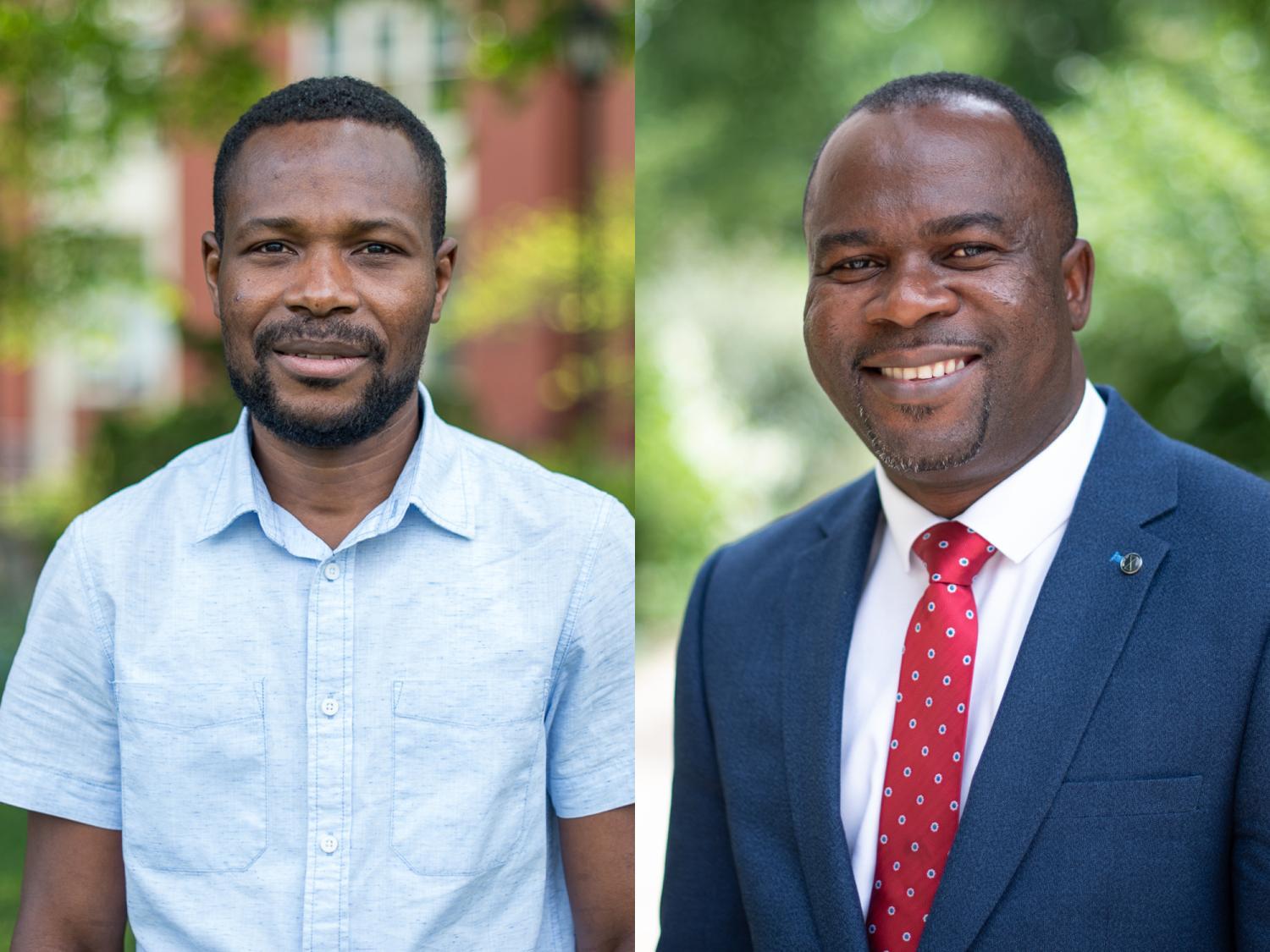
EMS faculty members earn National Academies US-African Frontiers Fellowships
Two faculty members in the College of Earth and Mineral Sciences have been awarded the prestigious U.S.-Africa Frontiers Fellowships by the National Academies of Sciences, Engineering and Medicine (NASEM) to build high-impact research collaboration and strengthen capacity building with African scientists. In addition, three African scientists will be visiting Penn State.

Ten interdisciplinary research teams awarded IEE seed grants
Ten interdisciplinary research teams have received funding through the Institute of Energy and the Environment’s (IEE) 2025 Seed Grant Program. The program supports basic and applied research that lays the groundwork to pursue external funding and is guided by IEE’s five research themes. This year, the program awarded seed funding to 34 Penn State researchers across seven colleges and 17 departments and units.

Eight Penn State research commercialization projects awarded GAP funding
Eight research projects have been selected for support from the Penn State Commercialization GAP Fund. The GAP Fund is a competitive internal program designed to help promising technologies bridge the gap between academic research and industry adoption.
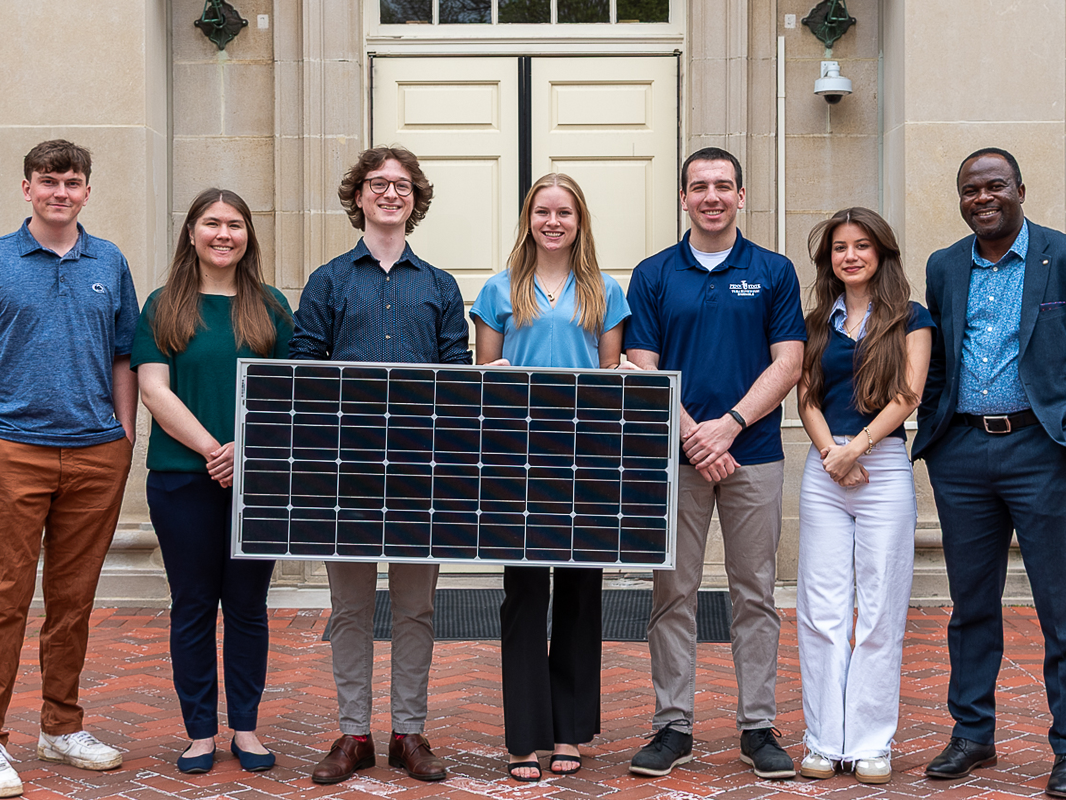
Penn State students win first place at DOE’s Solar District Cup challenge
Six Penn State students recently won a first-place award in the U.S. Department of Energy’s (DOE) Solar District Cup division, the second consecutive first-place division win for the University. The national collegiate competition challenges multidisciplinary student teams to design and model distributed energy systems for a campus or district, learning the industry-relevant skills to become leaders in clean energy. There were 81 teams participating in the competition.
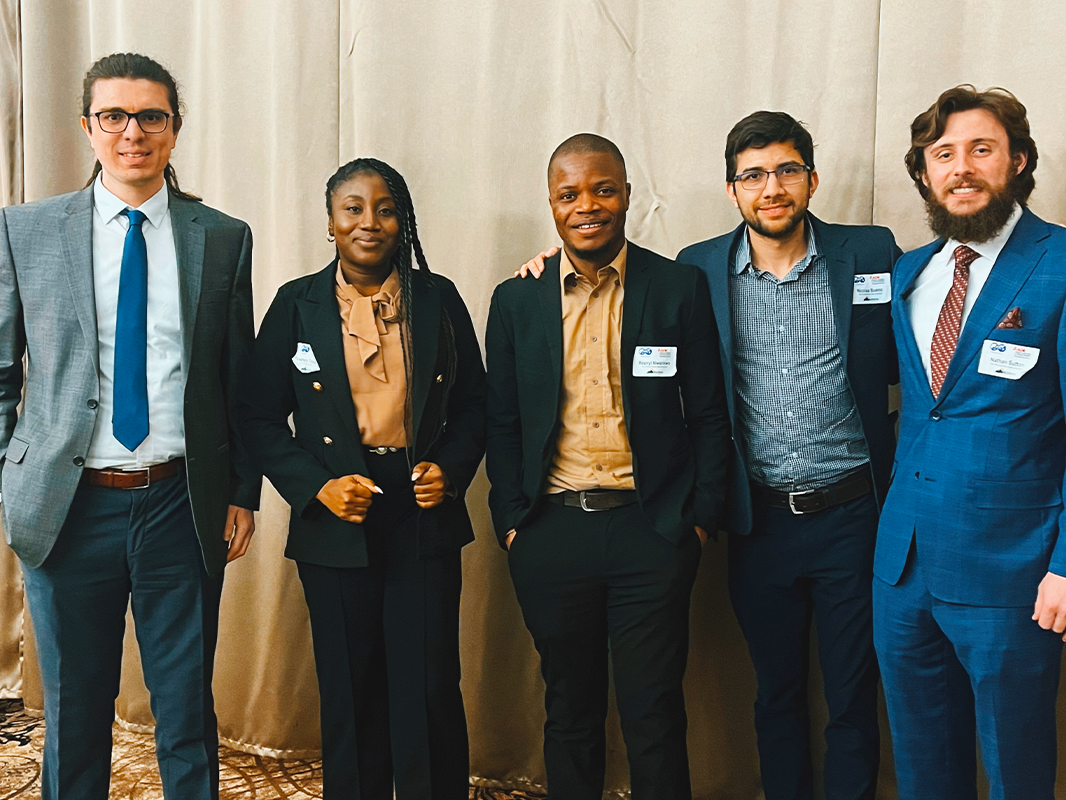
Thirteen energy and mineral engineering students receive scholarships and awards
Thirteen Penn State engineering students from the John and Willie Leone Family Department of Energy and Mineral Engineering (EME) in the College of Earth and Mineral Sciences took home several awards and scholarships from the Society of Petroleum Engineers (SPE) and the American Association of Drilling Engineers (AADE) this spring.
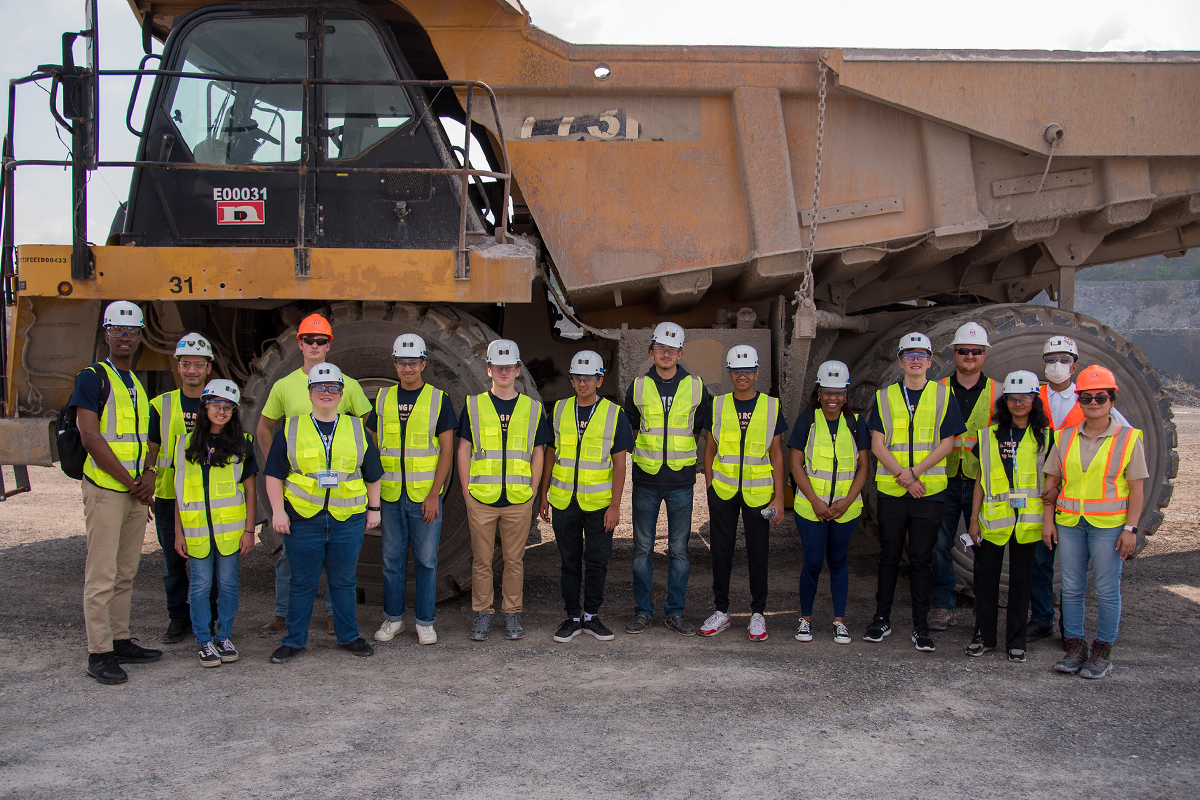
Mining Rocks! Summer Camp gives high school students firsthand lab experience
For high school sophomores, juniors and seniors interested in real-world lab experiences with automation technology or watching a blasting at a limestone quarry, there are only so many places they can go. If they want to learn the fundamentals from a top mining program in the United States, there is only one — the MINING ROCKS! Mining Summer Camp hosted by the John and Willie Leone Family Department of Energy and Mineral Engineering (EME). The camp will be held on the University Park campus on July 20–25.
Penn State to host the 20th North American Mine Ventilation Symposium
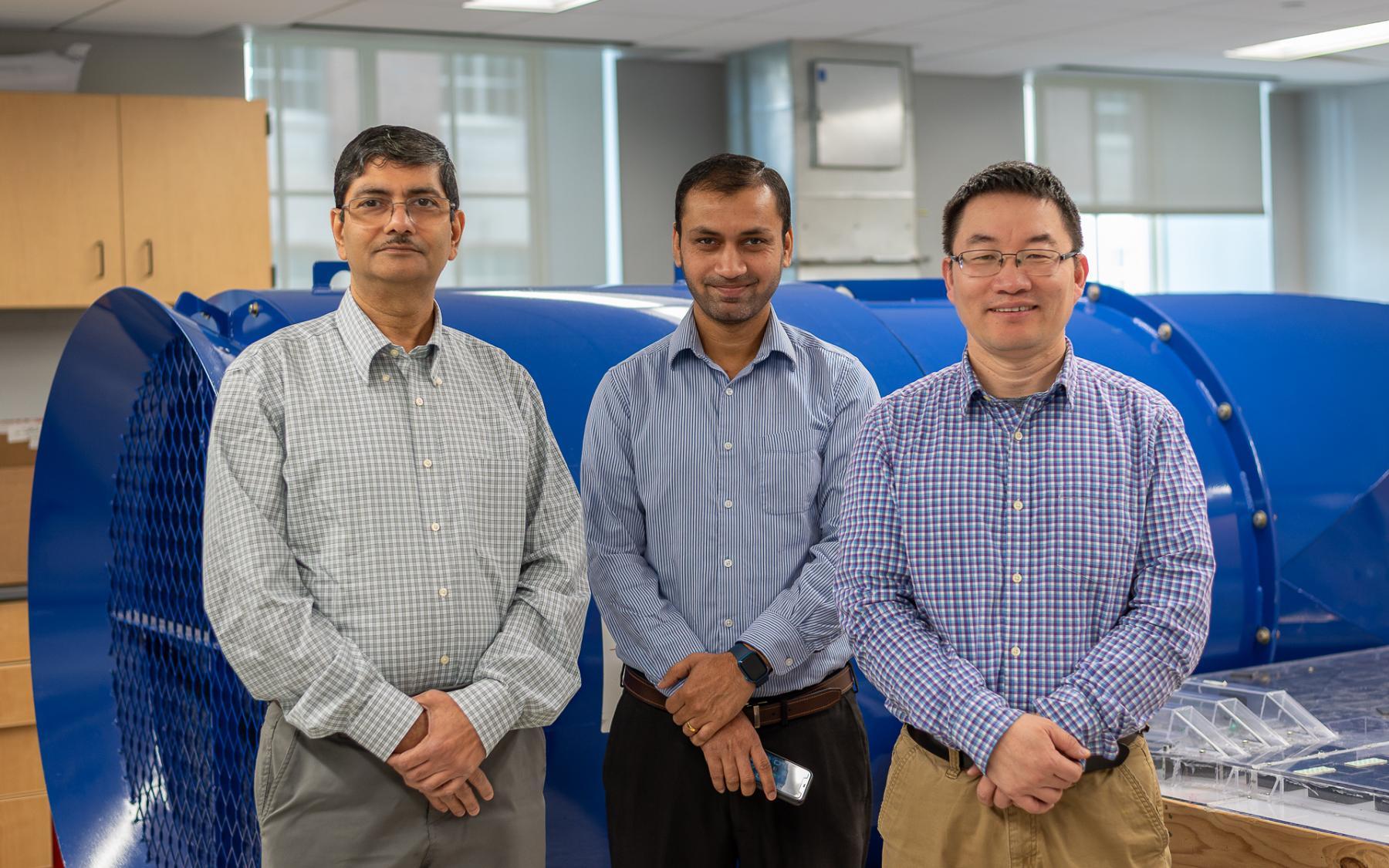
Penn State will host the 20th North American Mine Ventilation Symposium (NAMVS) in collaboration with the Society of Mining, Metallurgy, and Exploration (SME) and the SME Underground Ventilation Committee (UVC) on June 21–26 in Pittsburgh. The symposium is North America's largest biennial gathering of mine ventilation professionals, which brings mine operators, equipment manufacturers, researchers and regulators together to showcase products, attend presentations and discuss the leading technologies and research. Credentialed workshops and regional facilities tours will also be held throughout the weeklong event.

Students to present solar design project at expo on April 30
Students in Assistant Professor of Energy and Mineral Engineering Nelson Dzade’s "EGEE 437: Design of Solar Energy Conversion Systems" class worked with Greenwood Furnace State Park this spring semester as part of a Sustainable Communities Collaborative (SCC) project in partnership with Pennsylvania's Department of Conservation and Natural Resources' (DCNR) Think Outside Program. The student team, consisting of Kieran Cox, Bernando Elizondo, Yuxiang Zhang, Leighton Eddy and Kayla Sucro, presented the results of their work to DCNR leadership on April 23 and will also share at the Campus and Community Sustainability Expo on April 30 at the Palmer Museum of Art.
Rapid lithium extraction eliminates use of acid and high heat, scientists report
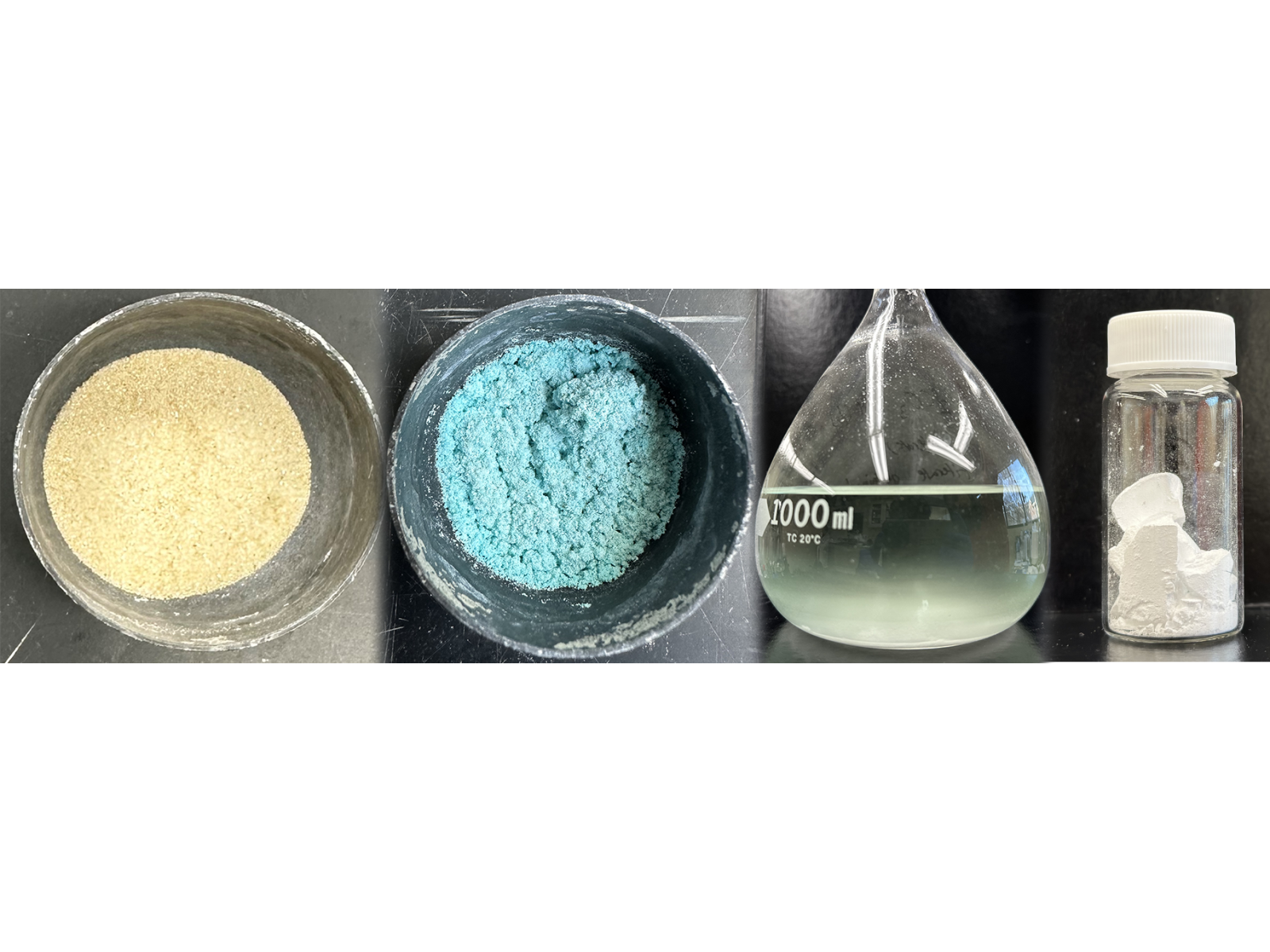
Lightweight lithium metal is a heavy-hitting critical mineral, serving as the key ingredient in the rechargeable batteries that power phones, laptops, electric vehicles and more. As ubiquitous as lithium is in modern technology, extracting the metal is complex and expensive. A new method, developed by researchers at Penn State and recently granted patent rights, enables high-efficiency lithium extraction — in minutes, not hours — using low temperatures and simple water-based leaching.
For fourth graders, earth science lessons come to life at Penn State
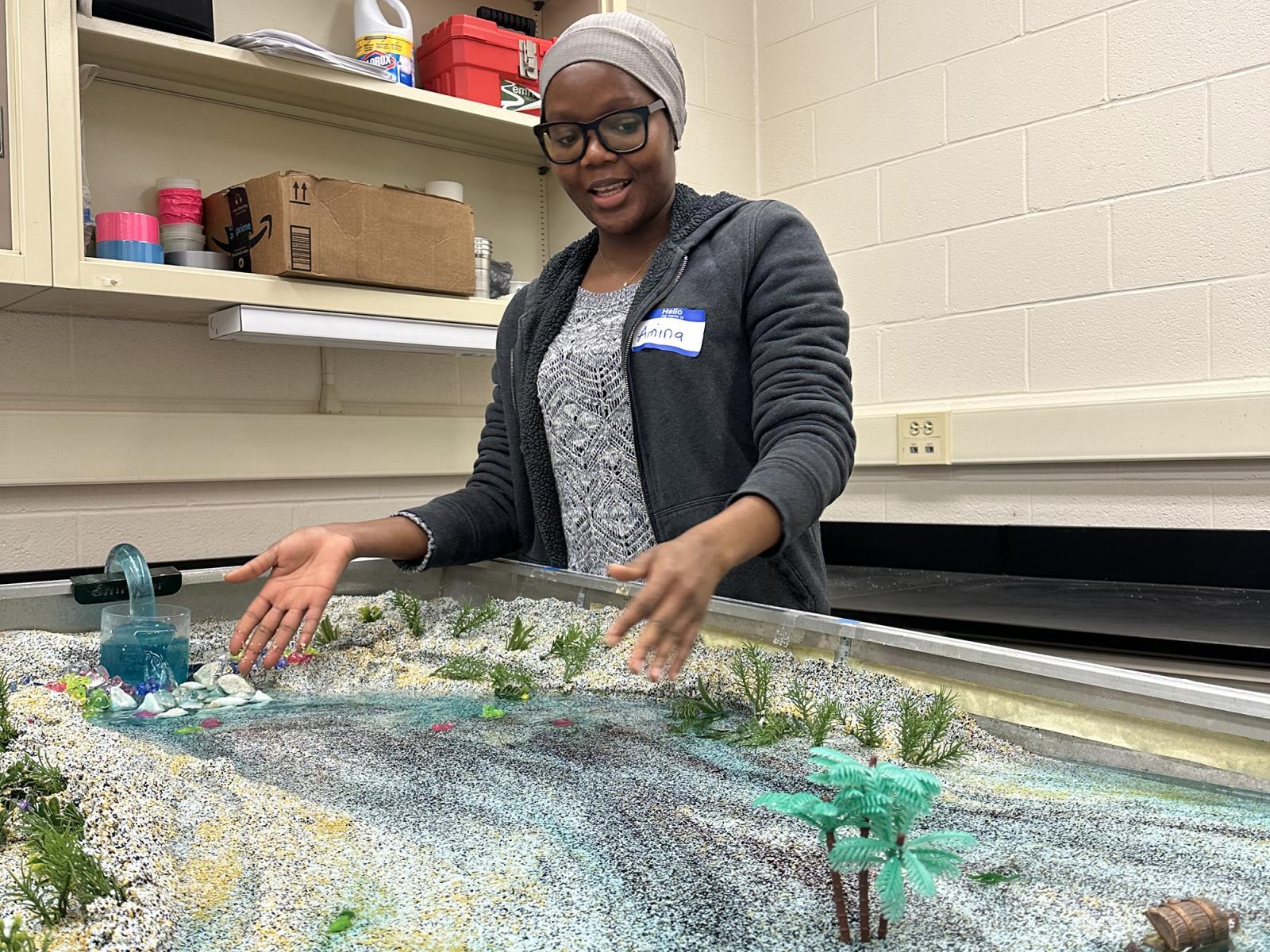
For the second year in a row, fourth graders in the State College Area School District have been learning about the earth sciences with the help of geosciences experts in the Penn State College of Earth and Mineral Sciences (EMS). These students are learning about plate tectonics, erosion, fossilization and sea-level changes in the classroom through lesson plans their teachers produce with the help of Penn State faculty members and graduate students.